Spring
Adult blacklegged ticks become active on mild days. Carpenter-ant swarmers, overwintered cluster flies and seasonal invaders may appear as buildings warm.
Black Gold Field Guide
Identify common bugs, ticks and spiders found around Wisconsin homes—and learn what matters, what usually doesn’t and what to do next.
Search common names, alternate names, appearance, location and signs.
Need help identifying it?
Can’t find a close match?Send Jeremy a clear photo for a straightforward, no-obligation response.
Start here
These quick clues can narrow the possibilities. Open a profile before deciding what action—if any—makes sense.
 Possible health concern
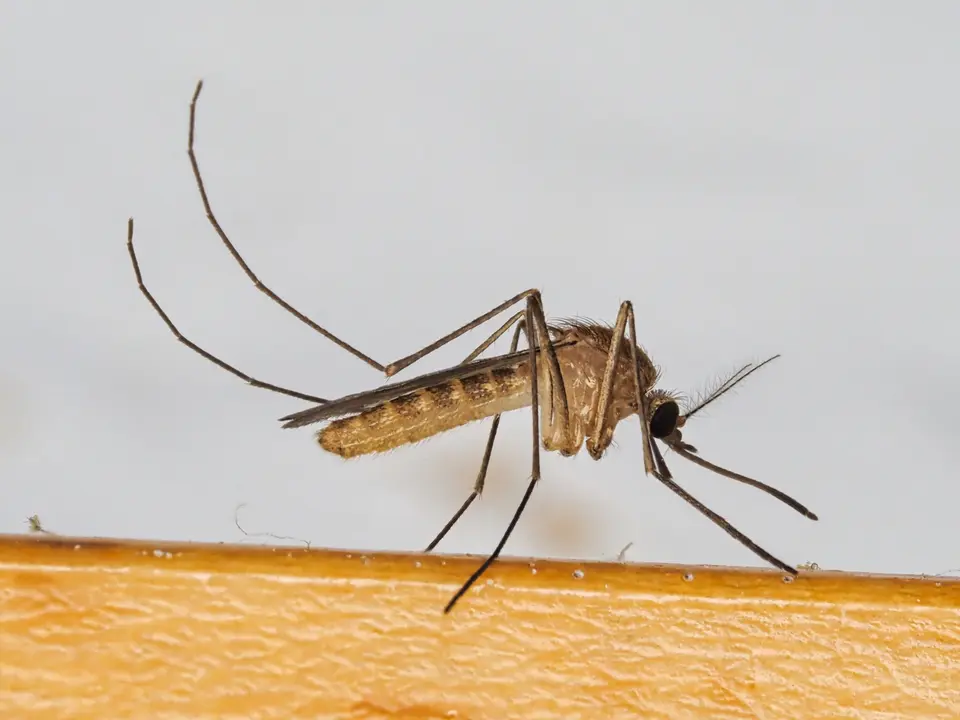
Slender flying insects with long legs; females of many species bite.
Open profile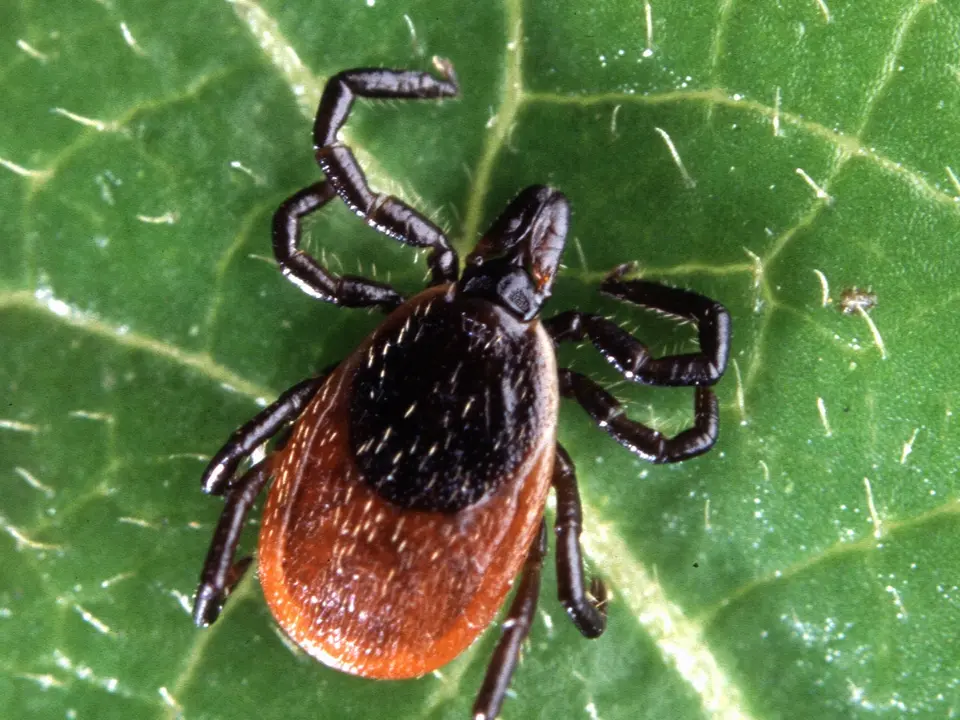 Possible health concern
Dark legs; adult female has a dark shield with a reddish-brown abdomen.
Open profile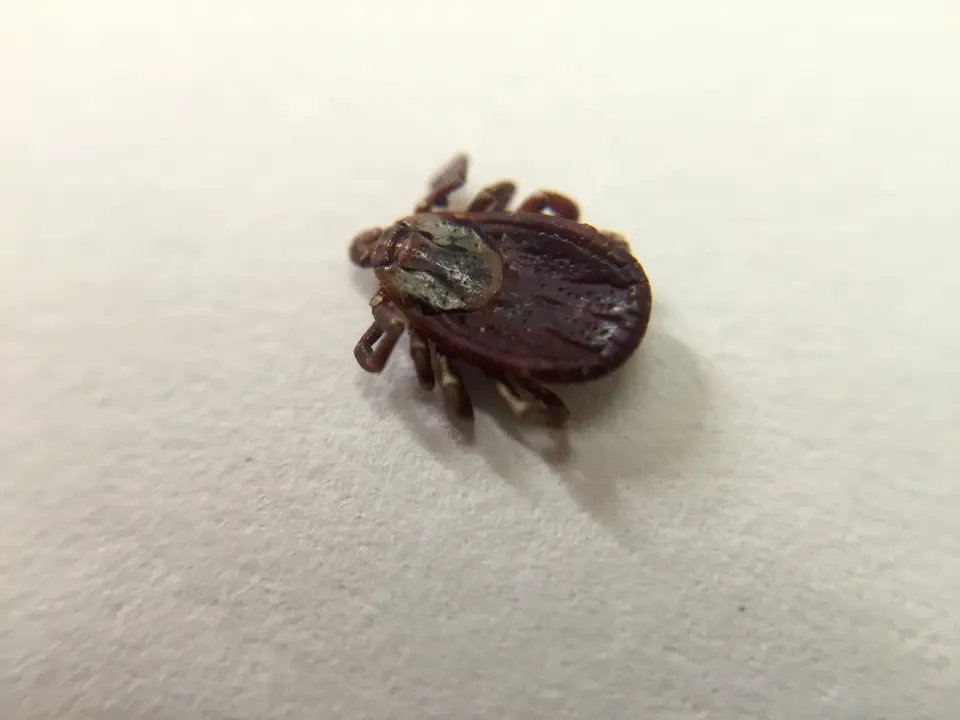 Can bite
Larger tick with pale gray or cream markings on the back.
Open profile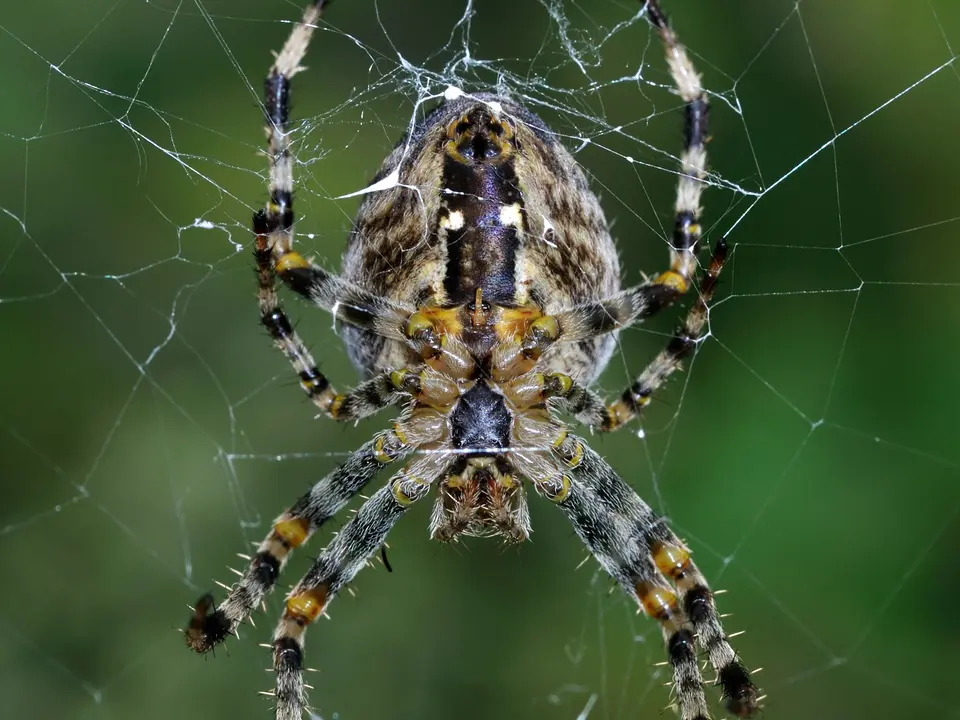 Mostly harmless
Often sits in a classic wheel-shaped web rebuilt outdoors.
Open profile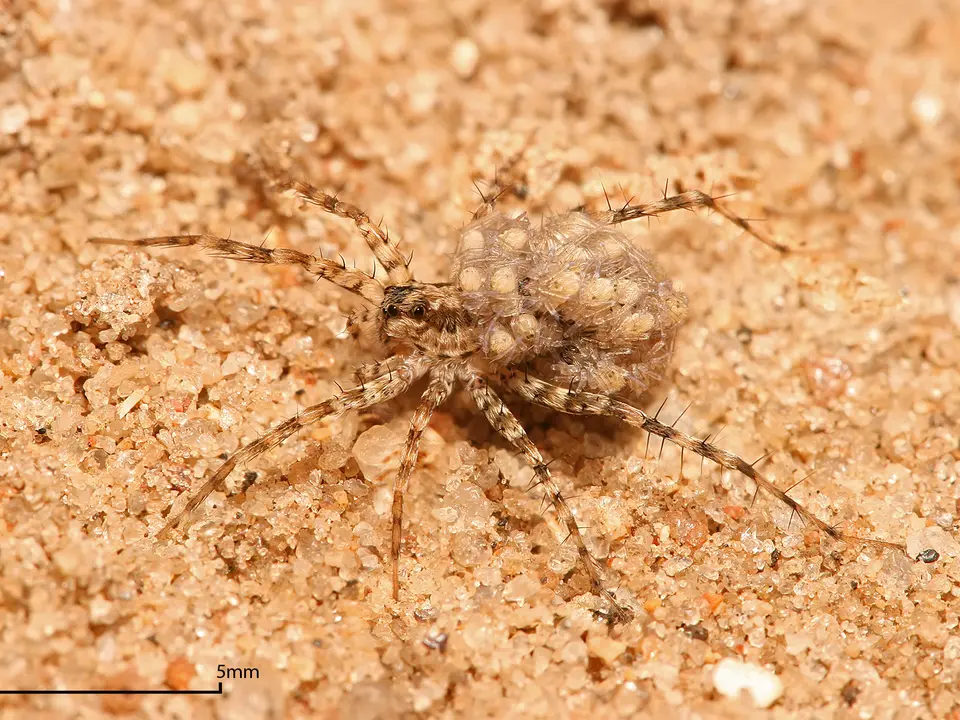 Mostly harmless
Fast, ground-running hunter; does not use a prey-catching web.
Open profile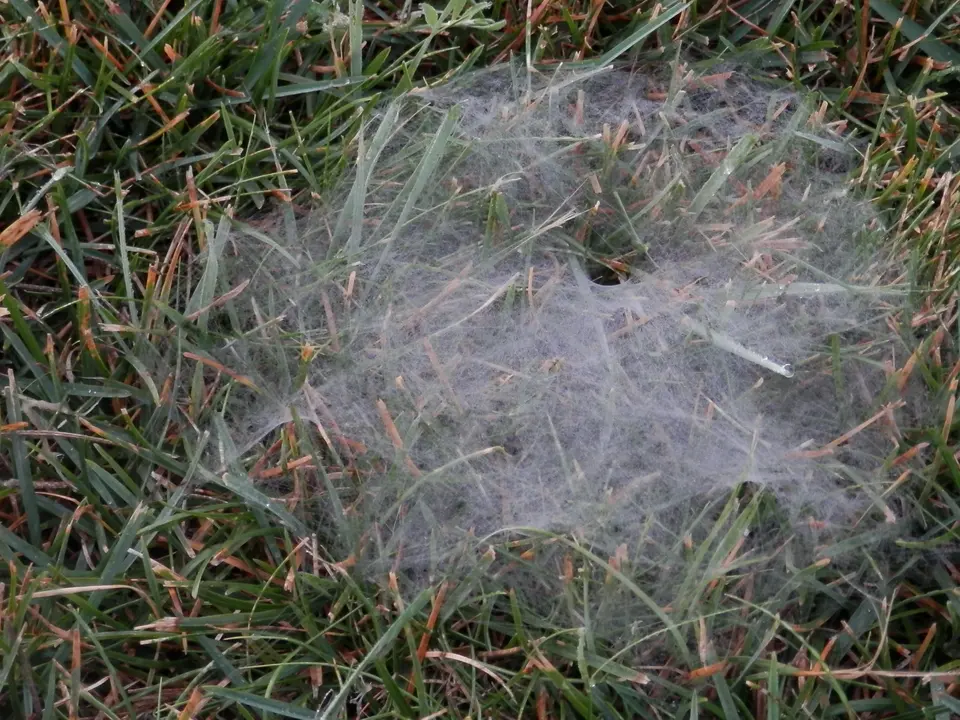 Mostly harmless
Flat, non-sticky sheet web leading into a funnel-shaped retreat.
Open profile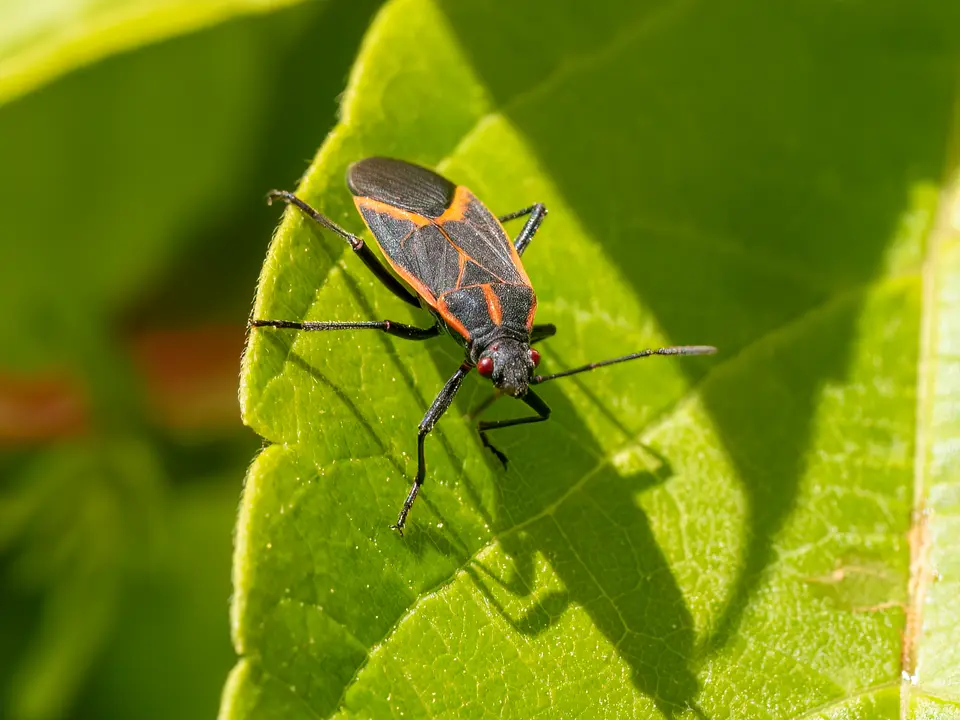 Nuisance invader
Black, narrow-bodied bug with thin red-orange lines on the wings and thorax.
Open profile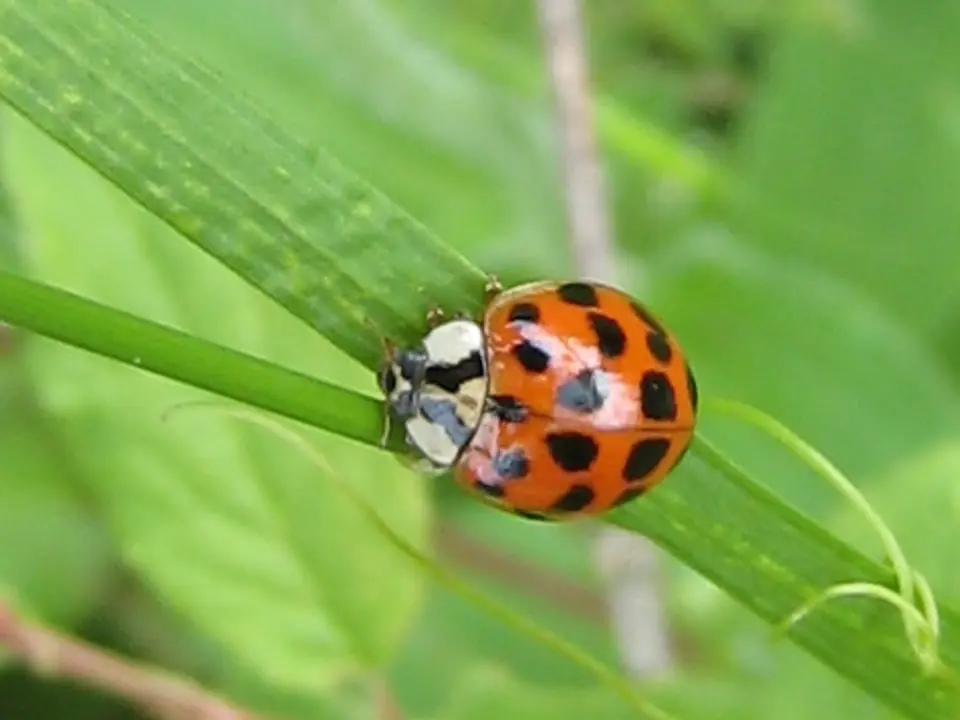 Nuisance invader
Color and spot count vary; pale area behind the head often shows a dark M-shaped mark.
Open profileWisconsin seasons
Weather can shift activity earlier or later. This is a general seasonal guide—not a live pest forecast.
Adult blacklegged ticks become active on mild days. Carpenter-ant swarmers, overwintered cluster flies and seasonal invaders may appear as buildings warm.
Mosquitoes, tick nymphs, yellowjackets, Japanese beetles and garden spiders become more noticeable as warmth, moisture and food support activity.
Orb-weaver webs reach their most visible size. Boxelder bugs, lady beetles, stink bugs and cluster flies seek protected winter shelter.
Complete profiles
15 profiles shown
Family Culicidae
Slender flying insects with long legs; females of many species bite.
Usually 1/8–3/8 inch, with six long legs, one pair of narrow wings and a projecting proboscis.
Non-biting midges look similar but often hold their front legs up and lack a long biting proboscis.
Near standing water, shaded vegetation, decks, patios and damp yard edges.
Most noticeable from late spring through early fall; weather and species change the timing.
Water supports immature stages, while shaded, humid vegetation provides resting cover for adults.
A biting nuisance; some Wisconsin mosquitoes can spread illness, but a mosquito’s appearance cannot tell you whether it carries a pathogen.
Females of many species bite. Wisconsin public-health agencies monitor mosquito-borne illness. A bite or illness cannot be diagnosed from this guide.
Professional help may make sense when activity repeatedly limits use of family areas after water and habitat steps are addressed.
Ixodes scapularis
Dark legs; adult female has a dark shield with a reddish-brown abdomen.
Eight legs as a nymph or adult. Adults are sesame-seed sized; nymphs are much smaller. Females have a black shield and orange-red rear body.
American dog ticks are generally larger and have pale markings on the shield; immature ticks can be difficult to identify.
Wooded or brushy areas, leaf litter, trail edges and yard transitions; attached to people or pets after outdoor exposure.
Exposure can occur year-round, with greatest activity generally during warmer months. Nymphs are especially important in late spring and summer; adults can be active on mild fall and spring days.
They wait on vegetation or leaf litter for a passing host; they do not jump or fly.
Wisconsin’s most important tick for human disease. Not every tick is infected, and not every bite causes illness.
Can transmit Lyme disease and other pathogens in Wisconsin. Identification does not show whether a tick carried disease.
Yard service may help manage tick pressure in approved exterior areas, especially where lawns meet brush, woods or dense landscaping. Medical concerns belong with a healthcare professional.
Dermacentor variabilis
Larger tick with pale gray or cream markings on the back.
Eight-legged adult; often about 3/16 inch before feeding. Males have mottling across the back; females have a pale patterned shield behind the head.
Blacklegged ticks are smaller and lack the ornate pale pattern. Lone star ticks are uncommon in Wisconsin and adult females have one white spot.
Grassy paths, field edges, roadside vegetation and areas used by medium or large mammals.
Adults are commonly noticed in spring and early summer, though timing varies with weather.
Adults wait on vegetation for a host and may be carried into yards on animals.
A common Wisconsin biting tick. Wisconsin DHS reports that blacklegged ticks cause nearly all locally acquired tickborne illness; rare disease transmission by dog ticks is still possible.
Can bite people and animals. Do not use appearance to decide whether medical care is needed.
Ask about yard-focused tick management when ticks are repeatedly found around family-use areas.
Family Araneidae
Often sits in a classic wheel-shaped web rebuilt outdoors.
Eight legs; body shape and markings vary widely. The organized, circular web is often the easiest clue.
Funnel weavers make flat sheet webs with a retreat; cobweb spiders make irregular tangles.
Gardens, shrubs, porch rails, eaves and between outdoor structures where flying insects pass.
Most conspicuous in late summer and fall when adults and webs are largest.
Exterior lights and flying insects create good hunting locations.
Beneficial outdoor predators. Treatment is usually unnecessary when a web is out of the way.
They can bite if trapped or handled, but bites are uncommon and not considered a routine medical concern.
Exterior service may make sense when heavy webbing repeatedly affects entrances, siding, eaves or other agreed areas.
Family Lycosidae
Fast, ground-running hunter; does not use a prey-catching web.
Eight legs, robust body and mottled brown or gray camouflage. Size varies from small to more than an inch in body length.
Funnel weavers may look similar but stay near sheet-and-funnel webs; eye arrangement is diagnostic but hard to see without magnification.
Lawns, gardens, mulch, garages and basements; sometimes wanders indoors.
Seen through the warm season and sometimes indoors during weather changes.
They follow insect prey and use ground cover, cracks and sheltered edges.
Beneficial predators and usually not aggressive.
A defensive bite is possible if pressed against skin or handled. A photo cannot diagnose a bite.
Ask Jeremy when repeated exterior activity or web-related spiders around the structure are the actual concern; interior treatment is not listed.
Family Agelenidae
Flat, non-sticky sheet web leading into a funnel-shaped retreat.
Brownish, long-legged spiders; many have two dark stripes on the front body and long spinnerets visible at the abdomen tip.
Wolf spiders do not build prey-catching webs. Funnel weavers are not the same as medically important Australian funnel-web spiders.
Grass, foundation plantings, shrubs, window wells, decks and low corners around structures.
Webs are easiest to notice from summer into fall, especially when dew outlines them.
The web is built where small insects move and where a sheltered retreat is available.
Useful outdoor predators; most individual webs need no treatment.
They may bite defensively if trapped, but are not considered a routine health concern in Wisconsin.
Exterior spider service may make sense when webbing is persistent around accessible home-exterior areas.
Boisea trivittata
Black, narrow-bodied bug with thin red-orange lines on the wings and thorax.
About 1/2 inch long, six-legged and mostly black with three red lines behind the head and red edging on the wings.
Milkweed bugs have broader orange areas; young boxelder bugs are smaller and much redder.
On boxelder and silver maple trees, sunny exterior walls, window frames and wall voids.
Large groups often gather on warm, sunny walls in September and October, then reappear indoors on mild winter days.
They feed outdoors on boxelder and maple seeds, then seek dry shelter for winter.
A nuisance, not a threat to people or the structure. They do not reproduce indoors.
They do not bite or damage homes, though waste or crushed insects can stain surfaces.
Black Gold does not currently list boxelder-bug treatment. Jeremy can help you decide whether the issue fits an exterior service or needs another provider.
Harmonia axyridis
Color and spot count vary; pale area behind the head often shows a dark M-shaped mark.
Rounded, dome-shaped beetle about 1/3 inch long. It may be yellow, orange, red or black, with many spots or none.
Native lady beetles vary too; do not identify this species by spot count alone.
Plants while feeding on aphids; sunny exterior walls and indoors during cool weather.
Outdoor predators in spring and summer; mass movement toward buildings is most noticeable in fall.
They hunt soft-bodied pests outdoors and seek protected overwintering sites in buildings.
Beneficial outdoors, but a nuisance when large numbers enter. They do not reproduce inside homes.
They can pinch skin and release yellow defensive fluid that stains. Repeated exposure can trigger allergy symptoms in some people.
This is not currently a listed Black Gold target pest. Identification and exclusion are often the first steps.
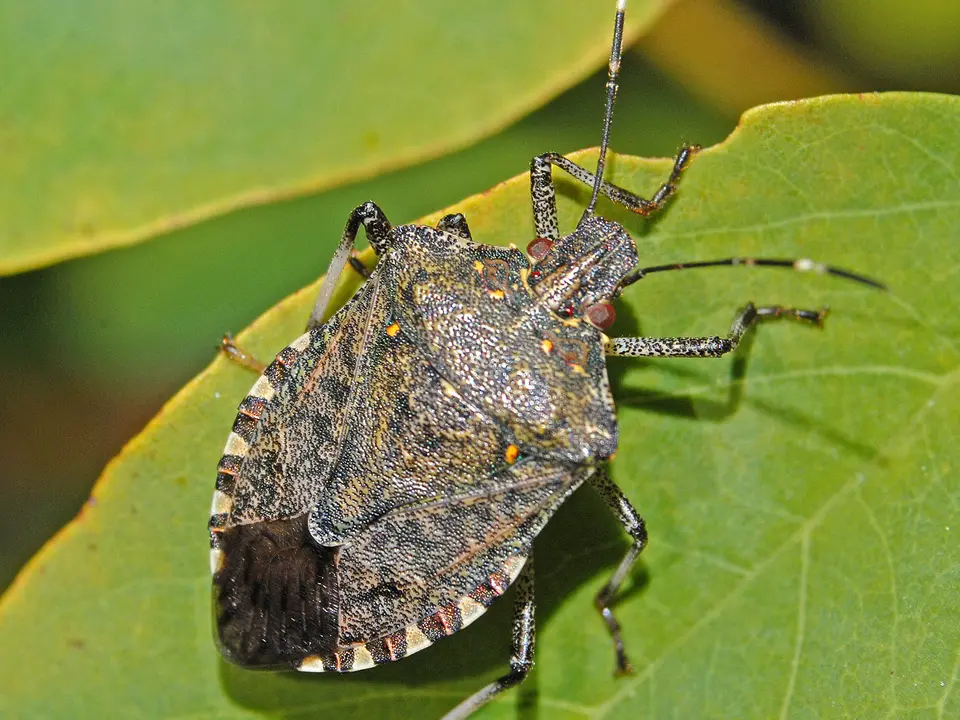
Halyomorpha halys
Mottled brown shield shape with pale bands on antennae and alternating edge marks.
About 1/2–5/8 inch long, shield-shaped and mottled brown-gray; abdomen edge alternates pale and dark patches.
Several native stink bugs look similar. Banded antennae and the alternating abdomen edge help separate BMSB.
Gardens, fruit trees, crop edges and inside structures used for winter shelter.
Adults emerge in spring; new adults appear later in summer and seek buildings in fall.
They feed on many plants and use protected building spaces to overwinter.
A plant pest outdoors and nuisance indoors. UW reports its strongest Wisconsin presence in the south-central, southeastern and east-central parts of the state.
Can damage fruits and vegetables; it does not damage the structure or bite people indoors.
Black Gold does not currently list stink-bug treatment. Ask Jeremy if exterior activity overlaps an offered service; otherwise use the UW guidance.
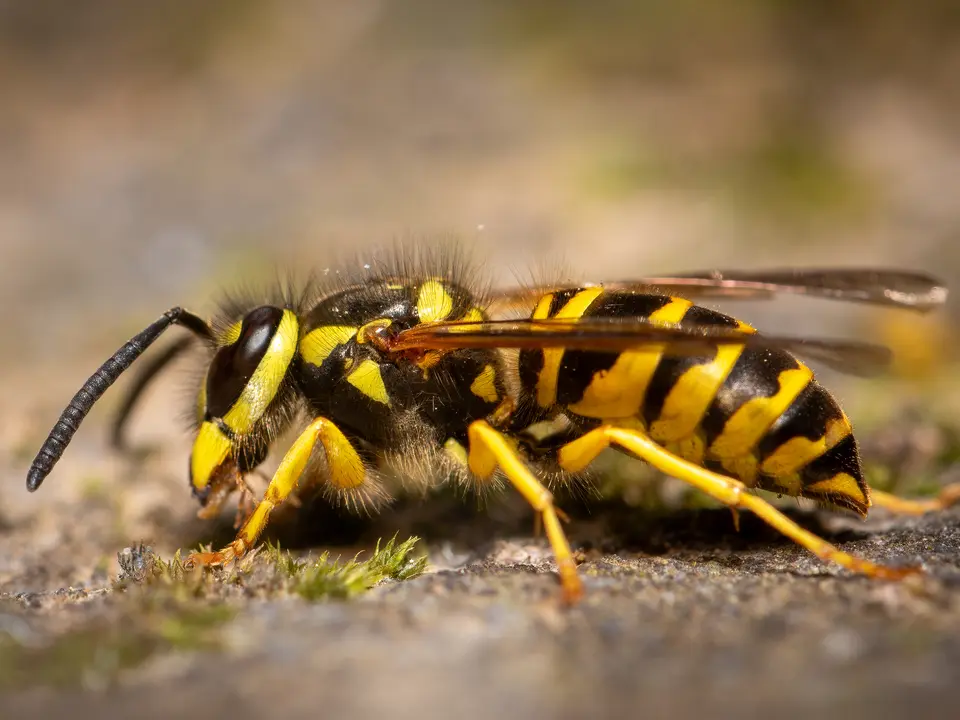
Vespula species
Smooth-bodied, bold yellow-and-black wasp; nests may be in soil or voids.
About 3/8–5/8 inch long, six-legged, with a narrow waist and little visible hair.
Paper wasps have longer legs and open comb nests; bees are generally hairier. Bald-faced hornets are a type of yellowjacket with black-and-white markings and aerial paper nests.
Ground cavities, wall voids, sheds, shrubs and around sweet food, drinks or garbage.
Colonies grow through summer and are often most noticeable from late summer into fall.
Workers search for protein and sugars while protecting a growing social nest.
Useful predators away from people, but a nest near doors, play areas or other high-use yard areas can create a sting concern.
They can sting repeatedly. People with severe reactions or breathing trouble need emergency medical care.
Because Black Gold does not list stinging-insect service, use a provider equipped for the nest location. Ask Jeremy only if you need help deciding the next contact.
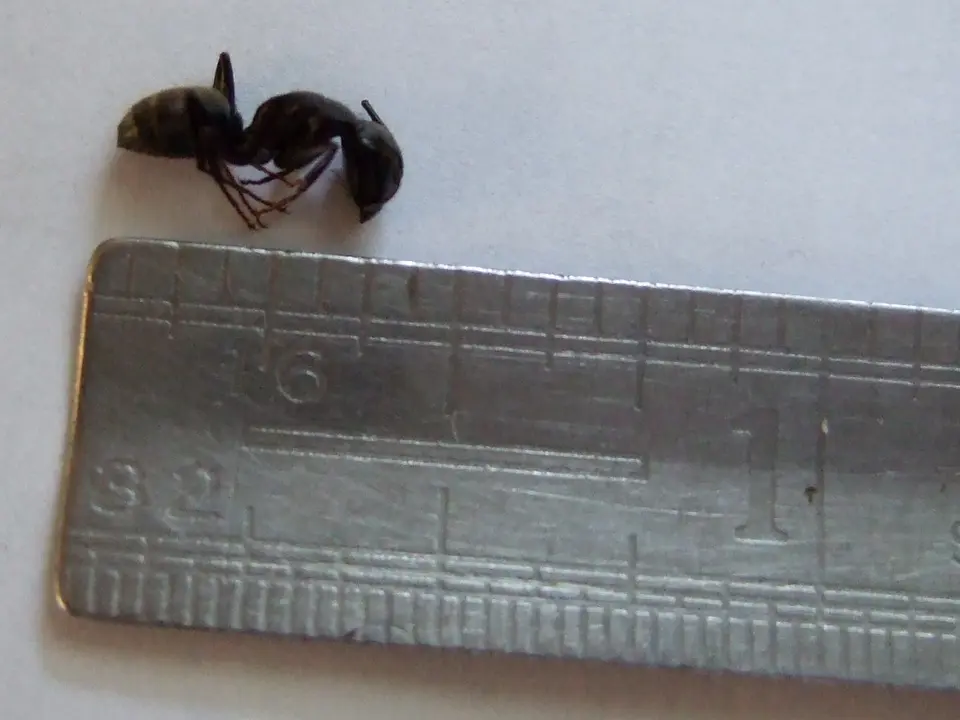
Camponotus species
Large ant with a smoothly rounded upper back; workers in one colony vary in size.
Workers are commonly 1/4–1/2 inch, usually black in Wisconsin species, with elbowed antennae and a narrow waist.
Other ants may be dark; termites have straight antennae, a broad waist and equal-length wings on swarmers.
Around damp or damaged wood, tree cavities, stumps, wall voids and moisture-prone structural areas.
Workers may be noticed in warm months; winged reproductive ants often appear in spring or early summer.
They excavate galleries in wood for nesting but do not eat the wood. Moisture-damaged wood is commonly associated with nests.
A few outdoor foragers may be normal; repeated indoor activity, sawdust-like debris or winged ants can point to a nest or moisture problem.
Established colonies can weaken wood over time, especially where moisture already exists. They can bite defensively but are mainly a property concern.
Black Gold does not currently list carpenter-ant treatment. A qualified structural-pest professional can inspect suspected indoor or structural nesting.
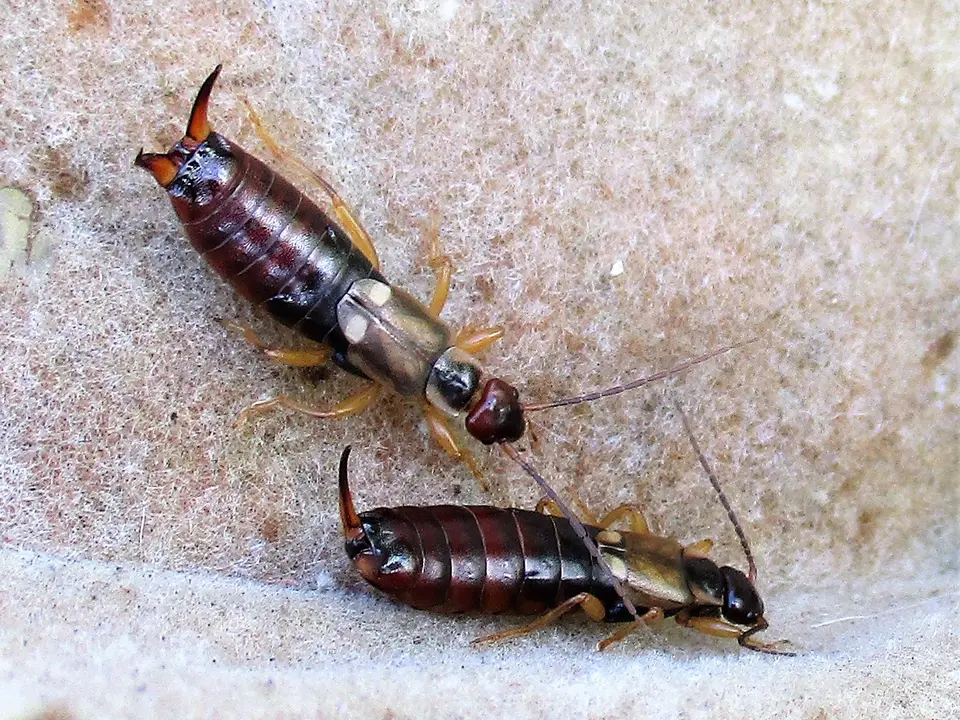
Forficula auricularia and related species
Elongated brown body with obvious forceps-like pincers at the rear.
Usually 1/2–3/4 inch long, six-legged and flattened, with a pair of rear cerci that look like pincers.
Rove beetles can raise the abdomen but do not have movable rear forceps.
Under mulch, stones, boards, pots and debris; sometimes in damp basements or near doors.
Most active on warm nights from late spring through summer.
They seek dark, moist shelter by day and feed at night on decaying material, small insects and some plants.
Mostly a nuisance and sometimes beneficial scavenger; high numbers can damage tender plants.
Their pincers are primarily defensive and they do not sting. They are not a disease concern.
This is identification information only; Black Gold does not currently list earwig treatment.
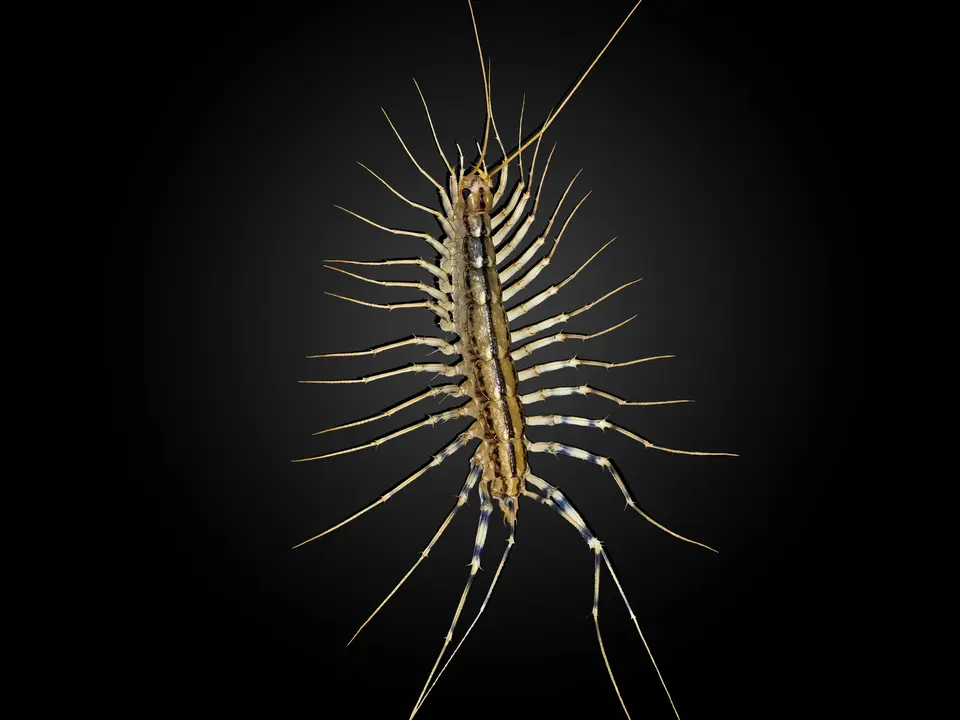
Scutigera coleoptrata
Fast runner with 15 pairs of extremely long, banded legs.
Flattened, gray-yellow body with dark stripes, long antennae and 30 delicate legs in adults.
Millipedes have short legs, a rounded body and two pairs of legs on most body segments; they move more slowly.
Basements, bathrooms, utility rooms, garages and other cool or humid places.
Can be seen year-round indoors; outdoor movement may increase with weather changes.
They hunt insects and spiders and are favored by moisture and available prey.
A beneficial predator indoors, though its speed and appearance make it an unwelcome nuisance. Numbers can signal moisture or other insects.
Bites are uncommon and usually occur only if handled or trapped. They do not damage the building.
Black Gold does not list interior centipede service. A moisture or indoor-pest professional may be more appropriate for persistent numbers.
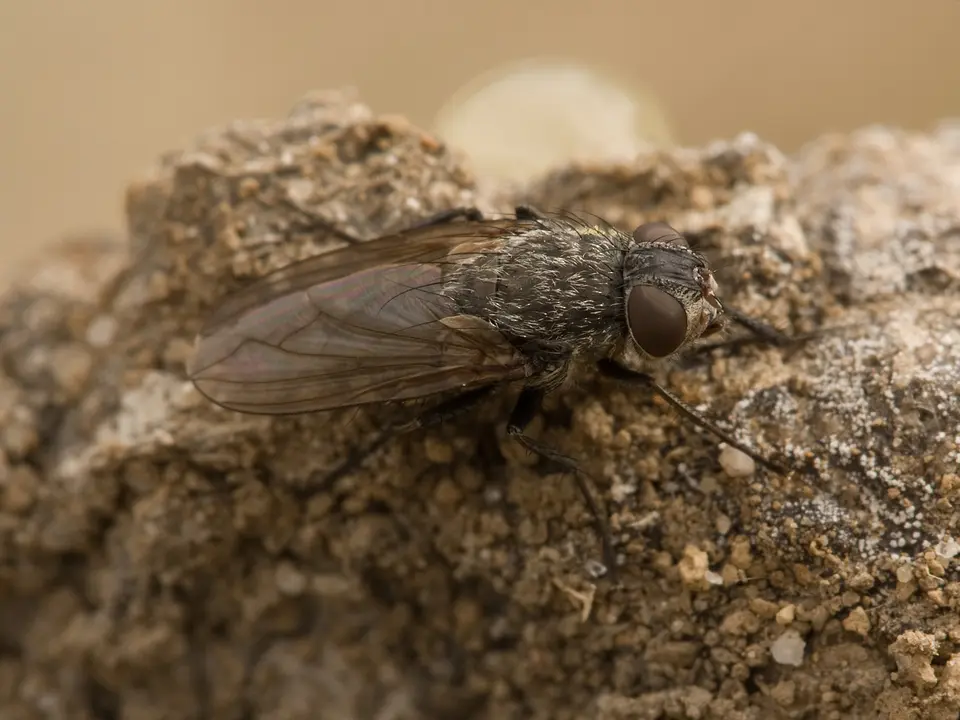
Pollenia species
Sluggish gray fly, often gathered at sunny windows or in attics during cool weather.
About 3/8 inch long, dull gray, with short golden hairs on the thorax and overlapping wing tips at rest.
House flies are usually faster and show four dark thorax stripes; blow flies can be metallic.
Upper floors, attics, wall voids and sunny windows after overwintering inside a structure.
Adults enter buildings in late summer and fall and may become active on warm winter or spring days.
They use protected building spaces for winter shelter; larvae develop as parasites of earthworms outdoors, not in household waste.
A nuisance seasonal invader. Indoor sightings do not normally mean indoor breeding or sanitation problems.
They do not bite people or damage the structure.
Black Gold does not currently list cluster-fly treatment. Exclusion is the main long-term step.
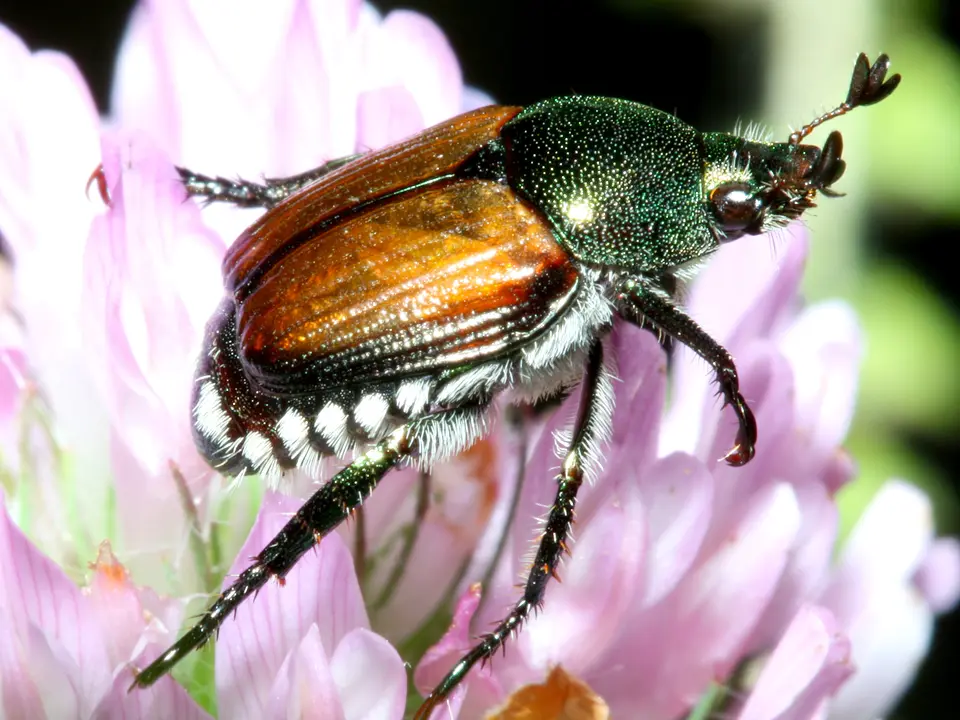
Popillia japonica
Metallic green head, coppery wing covers and small white hair tufts along the abdomen.
About 3/8 inch long, oval and metallic. Five white tufts line each side, with two more at the rear.
Other metallic beetles lack the same copper wing covers and distinct white side tufts.
On roses, grapes, fruit trees and many other plants; larvae live in turf soil and feed on roots.
Adults are usually most noticeable in Wisconsin during summer. Exact emergence varies with weather and soil conditions.
Adults feed in groups on foliage and flowers; grubs develop below turf after eggs are laid in soil.
A plant pest and, at high grub densities, a turf concern. Adult feeding can skeletonize leaves but healthy established plants may tolerate some damage.
They do not bite or sting people. Adults damage foliage and flowers; grubs can thin turf when numerous.
Black Gold does not currently list Japanese-beetle or grub treatment. Use UW guidance or a provider that verifies both the pest and the treatment need.
Spider activity
Compare focused exterior treatment for approved siding, eaves, windows, garages, decks and entry areas.
Compare Spider Defense options →Mosquito + tick pressure
See how Black Gold evaluates vegetation, lawn edges, shaded resting areas and family-use spaces.
Explore Mosquito + Tick Protection →Identification before treatment
Many outdoor insects and spiders pollinate plants, break down organic matter or prey on other insects. Responsible pest management starts by identifying what is actually present, understanding the real concern and choosing the least disruptive sensible response.
Black Gold will not pretend every visitor needs a pesticide treatment. If what you found is harmless, beneficial or outside the current service scope, the guide says so.
Read Safety & Compliance →Sensible first steps
These integrated-pest-management steps can reduce opportunities for pests, but they do not guarantee prevention or replace medical or veterinary advice.
Need help identifying it?
Send Jeremy a clear photo and tell him where you found it. Black Gold can help narrow down what it may be, explain whether it appears related to a service currently offered and suggest the most sensible next step.
No service is authorized and no charge is created by submitting a photo.
Send Jeremy a Bug PhotoNo street address is required unless you want route availability evaluated. See the Privacy Policy.
Sources and further reading
Facts were reviewed August 23, 2026. Weather, distribution and public-health guidance can change; follow the linked agency for current information.
Found a pest around your property?
Black Gold will confirm whether it fits the current service scope, check route availability and explain the next step before anything is authorized.
Submitting a request does not authorize service, create a contract or create a charge. Regulated pesticide applications will not be scheduled or performed until all required Wisconsin credentials and business requirements are active.